Dive Etiquette
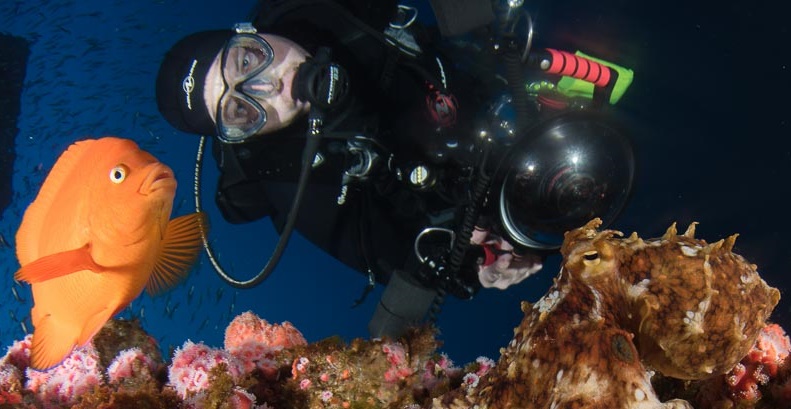
Dive etiquette for underwater photographers
Please try to be polite underwater, respect marine life while diving and set a good example for others. These underwater etiquette guidelines are not in any particular order.
- Don’t grab on to coral
- Don’t damage a reef just to get a shot.
- Be extremely careful when shooting around sea fans, e.g. – pygmy sea horses, not to damage the sea fan.
- If you are getting to close to coral, gently push away with one finger on the area with the least amount of growth, preferable a dead zone, or push away with a lembeh stick.
- Don’t silt up an area before or after taking a photograph. Often I see photographs "flutter kick away" after taking a shot, ruining the shot for others. They usually don't realize they are doing this. Learn how to frog kick, and do it slowly.
- When waiting for another photographer, give them some distance; make sure you wait down current so silt is not carried to the photo subject. Photographers will often change position while taking a shot, sometimes stretching their legs back. This is why you must stay back further than you may think.
- If other photographers are waiting, take turns photographing the subject, everyone's time is valuable; discuss hand signals with your buddy ahead of time if you want to "work" a subject for a while that you found, make sure you let the other person get some shot's first.
- When diving with others, you should always discuss dive etiquette rules ahead of time. Agree on how long each photographer will spend with a subject.
- Regarding buoyancy - I believe that most people don't realize when they have bad buoyancy, or the tendency to silt up the area. If you see your buddy doing this, think of a way to politely mention it to them, and ask them to tell you if they see you doing the same thing.
- Always show your friends interesting subjects that you find. They will really appreciate it.
Further Reading
- Top 10 tips for dive travel
- Underwater photography tips
- Packing lists for dive travel
- Scuba equipment for underwater photographers
- Best locations and dive sites for Underwater photography
RECOMMENDED ARTICLES


SUPPORT THE UNDERWATER PHOTOGRAPHY GUIDE:
The Best Service & Prices on u/w Photo Gear
 Visit Bluewater Photo & Video for all your underwater photography and video gear. Click, or call the team at (310) 633-5052 for expert advice!
The Best Pricing, Service & Expert Advice to Book your Dive Trips
 Bluewater Travel is your full-service scuba travel agency. Let our expert advisers plan and book your next dive vacation. Run by divers, for divers.