Composition for Beginners
The beginner photographer is probably just trying to take nice photos of fish, divers, sea slugs, and reefs. Your initial goal should just be getting comfortable taking attractive, colorful shots.
If you haven’t read the underwater beginner’s guide yet, I would check it out. If focal length, zoom, prime, macro, and telephoto are confusing words, please read the lens basics chapter first.
It’s probably easiest to discuss what people do wrong when they first start taking photographs underwater, and how to correct them.
A List of Common Mistakes Beginners Make with Underwater Compositon
1) Not getting close enough
This is probably the biggest mistake beginner photographers make underwater. If you are taking a photo of something small, try to be only a few inches away. If it is something larger, try to get within a couple of feet. Make sure you are using your camera flash to add color to the photo. If you want to take a photo of something further away, you probably want to do it as an ambient light shot (without a flash).
2) Shooting down instead of shooting up
The majority of people start off underwater swimming over subjects and taking photos from above the subject. It takes practice getting below a subject and shooting up. Getting close to a subject and shooting at an upward angle can produce very dramatic shots.
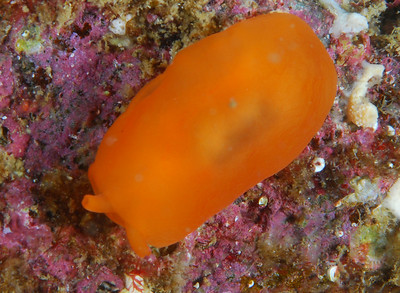
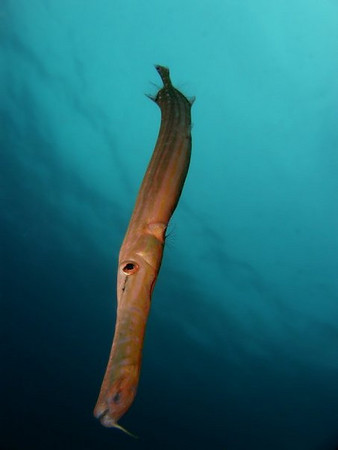
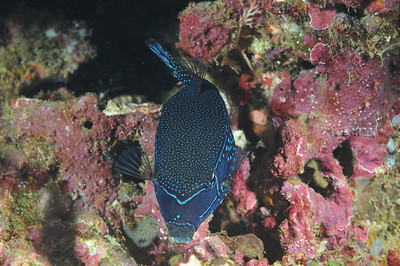
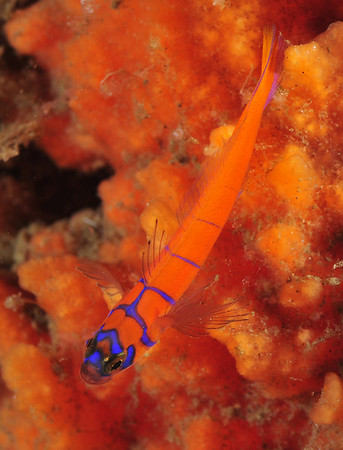
3) Not giving enough space
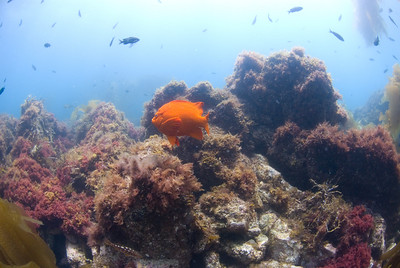
The subject in a photo should not be too close to the edge of the photo, especially the face or direction it may be swimming. People often say they should be given “room to swim”.
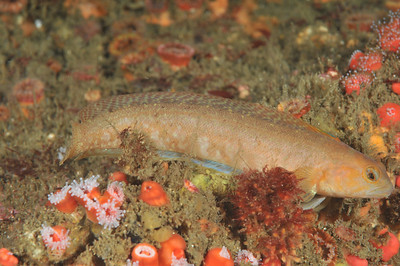
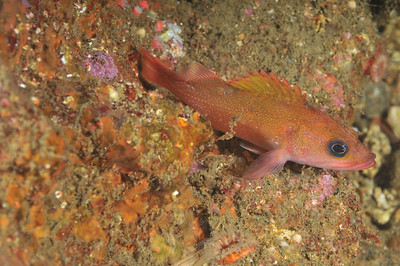
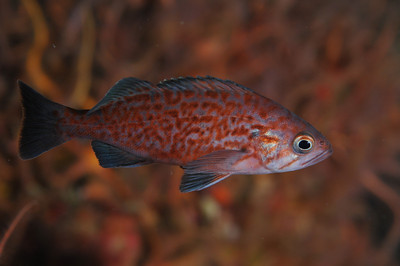
4) Amputations, fish butts, etc.
Some things just don’t look pleasing in photos, like when part of a fish or diver is “amputated”, or cut off by the edge of a photo. Another shot you want to avoid is a fish butt, which is getting a photo of a fish when it is swimming away from you. Take the time to get better compositions so you can avoid showing these photos. Try to take time to get a photo of a fish facing you.
Note that sometimes it is ok to have some of the subject not in the photo, but that is usually true of closeups or fill-the-frame shots. If you can’t get the entire fish in the frame, get a closeup, head-on shot, or artistic shot. Or some other really good composition that makes up for the missing parts.
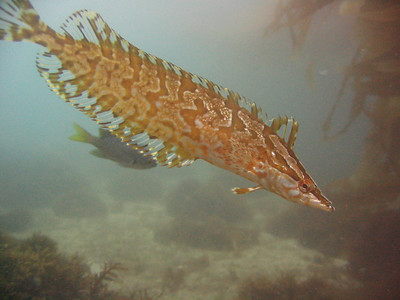
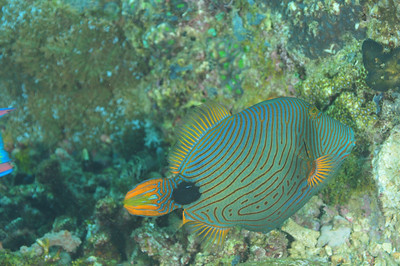
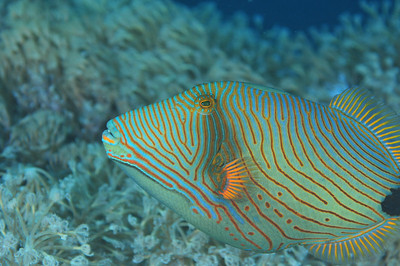
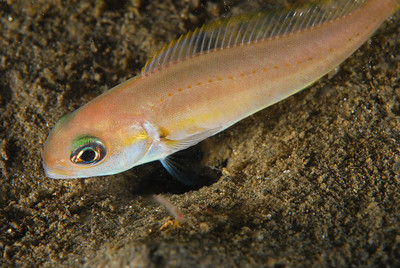
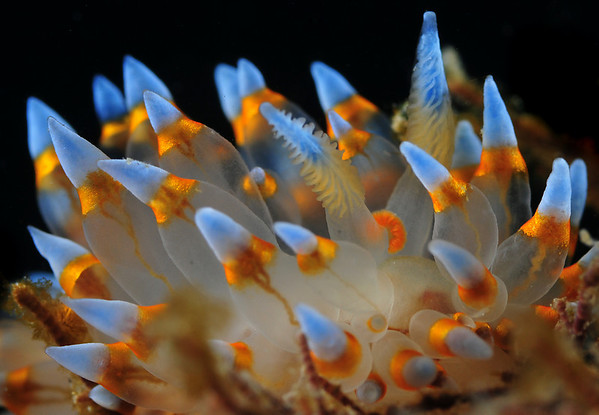
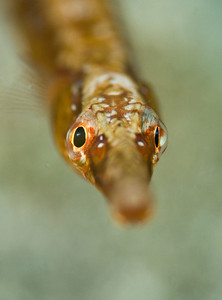
5) Not getting the eyes/ rhinophores of a subject in focus
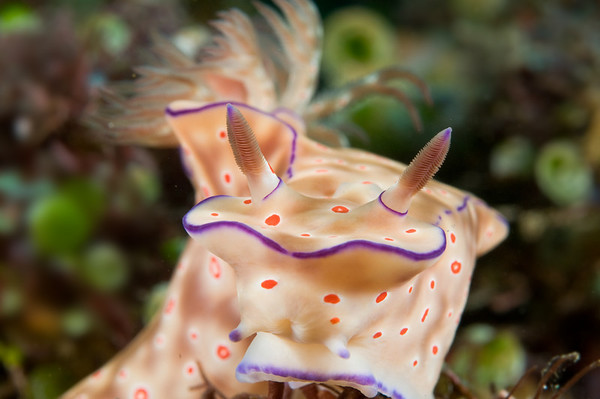
6) Centering the subject in all of your shots
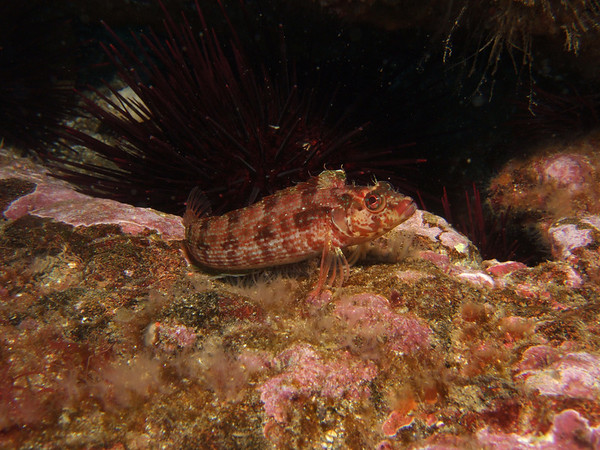
Also called “bull’s eyeing” the subject – Sometimes centering can be ok, especially in very close up shots, but try composing some of your shots off-center and see how you like the composition.
7) Not cropping to create a better composition
Experienced photographers often crop their photos to the best composition possible. (They also often get it right in camera). It’s best to get it right in the camera, but don’t be afraid to crop, within reason. Cropping does reduce your maximum print size.
8) Not thinking about the background
You should be asking yourself – what is behind my subject? What kind of background would look best? Is the background distracting, do I want the background blurred out?
How to make a background less distracting:
-
Get lower to shoot up more
-
Rotate around the subject to shoot at a different angle
-
Zoom in or use a longer lens, which will isolate the subject more
-
If you are using a dSRL, use a larger aperture (smaller f-stop number) to blur the background
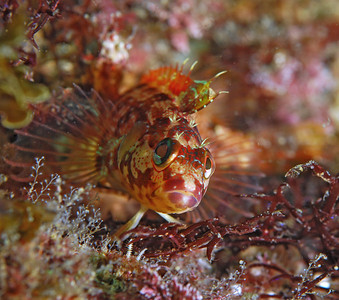
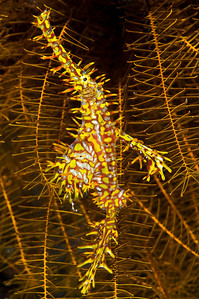
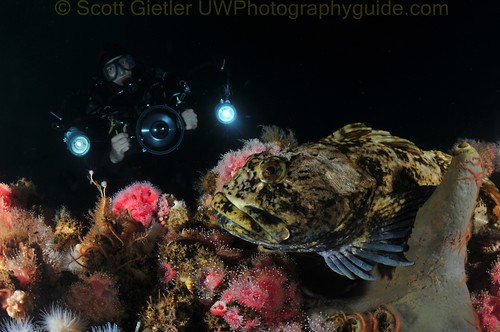
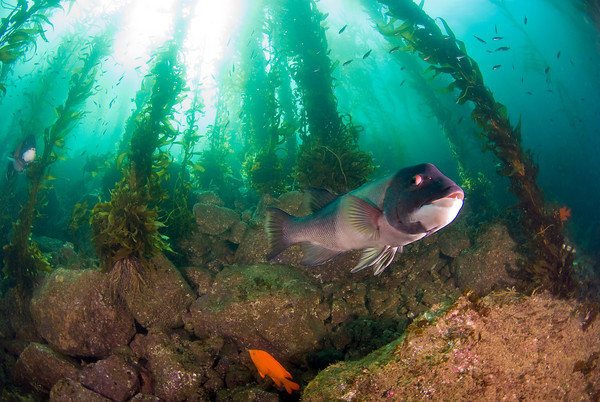
This kelpfish is pretty, but the background is quite distracting. If you are using a dSLR, a smaller aperture could have helped blur the background more. In the 2nd photo, I waited until the pipefish floated in front of the crinoid for a nice background.
Bonus Tip!
9) Not having a prominent subject
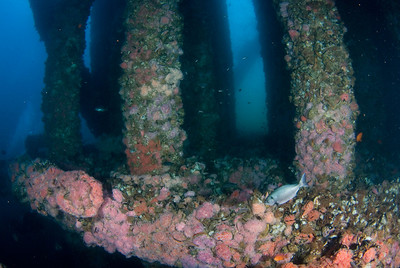
This is especially common in a wide-angle underwater photo. There is no prominent subject.