Marelux Apollo S and Apollo Y Underwater Strobe Review
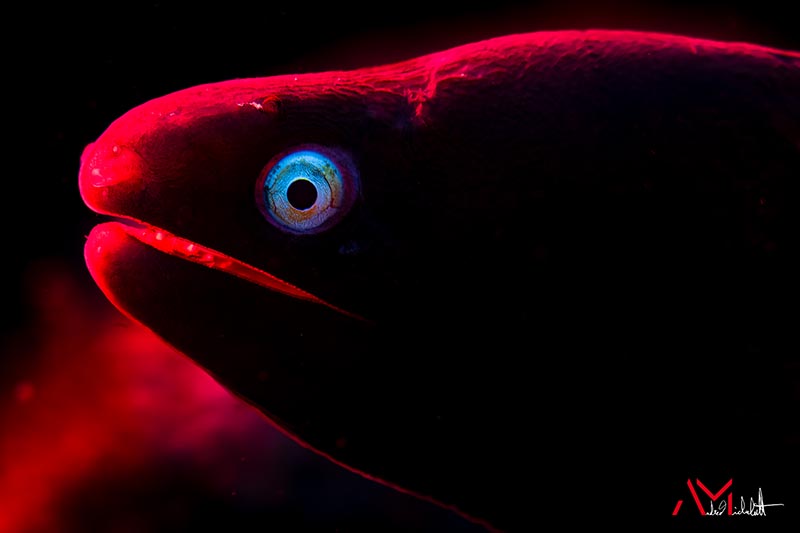
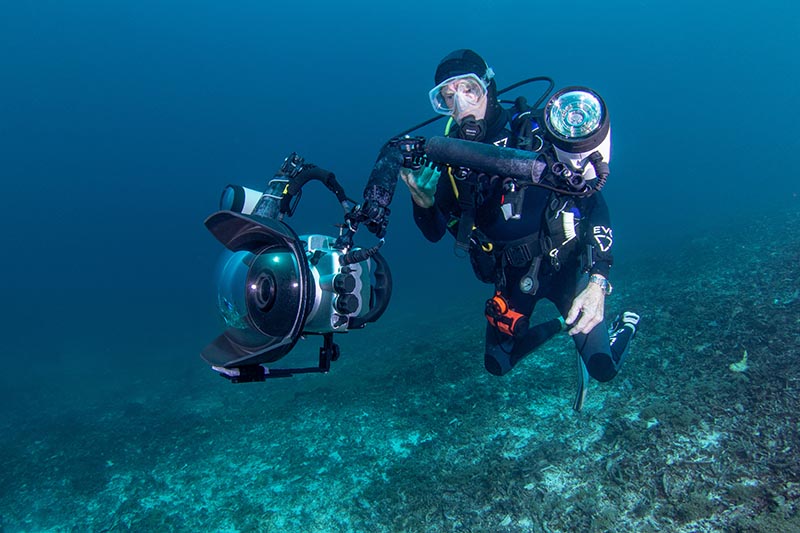
Over the last months I have been using the Apollo S and Apollo Y for both macro and wide-angle. In my rig, I keep lenses, snoot and aiming lights mounted on the arms or above the housing, so I’m ready to switch in seconds from dual strobes to snooted macro or macro to wide, without re-rigging. This approach works well with the small form factor of the Apollo units and helps to take advantage of sudden encounters.
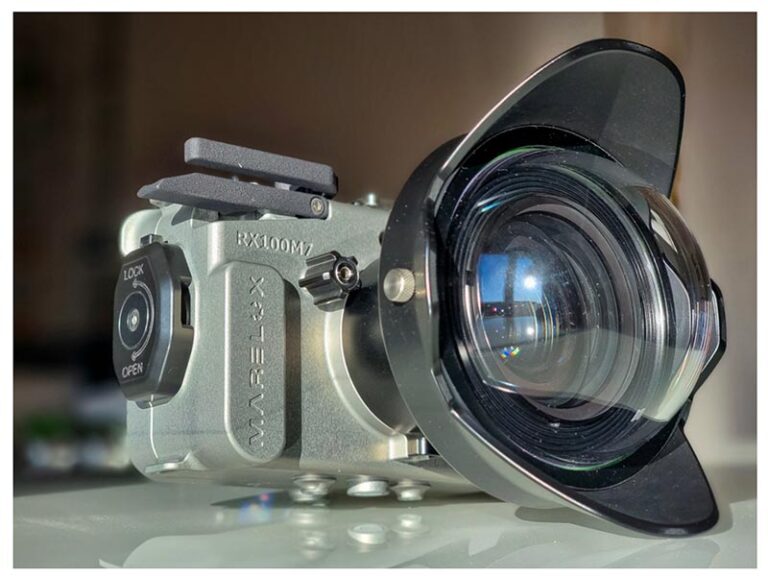
The new Apollo firmware adds support for compact‑camera protocols, which I tested on the Sony RX100 VII, Olympus TG‑7, and Canon G5X. The strobes now handle pre‑flash from compact models correctly (RX100, TG‑series), though, like the other strobes, they can’t support rear‑curtain sync on these cameras.
It’s worth noting that the long-lasting 18650 batteries work across all the gear I tested, in some cases via adapters, which is a real plus for travel.

Support our content and purchase your Marelux Apollo S and Marelux Apollo Y Strobe at Bluewater Photo:
Recommended Batteries: Three 18650H batteries at Bluewater Photo
Apollo S underwater performance
The Apollo S delivers a topside guide number of 36 at ISO 100 with a 120° beam underwater (140° with dome diffuser).
I tested it in a pool, against other popular strobes, and the claimed output has proven realistic.
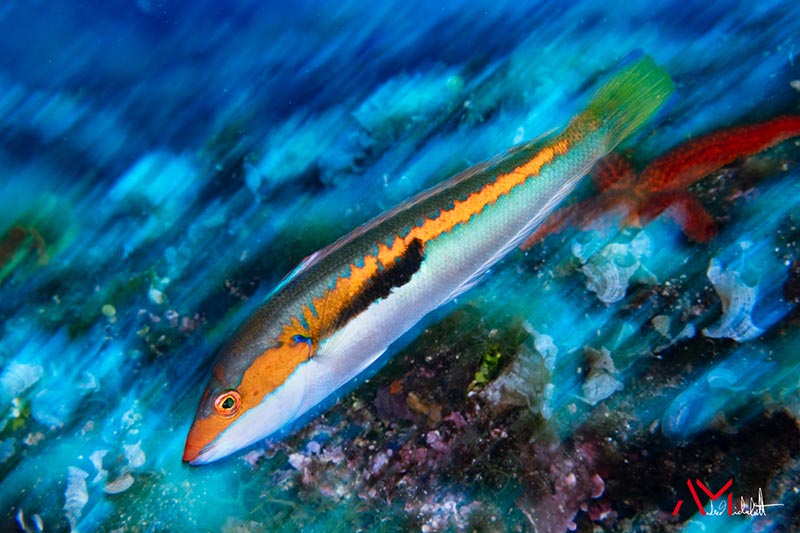
In real-world dives, it has enough power for wide-angle scenes, even difficult shots, without needing to push ISO.
Its very clean 6200K light, without a diffuser, delivers sharp and accurate colors on macro subjects. The white dome brings it down to 5500K for natural ambient pairing, while the yellow dome shifts it to 4900K for warmer tones. This keeps the tube strong and long‑lasting (with no permanent coatings) and gives you three distinct starting points from a single strobe head. Two high‑capacity 18650 batteries provide plenty of flashes for multiple dives of intensive shooting.
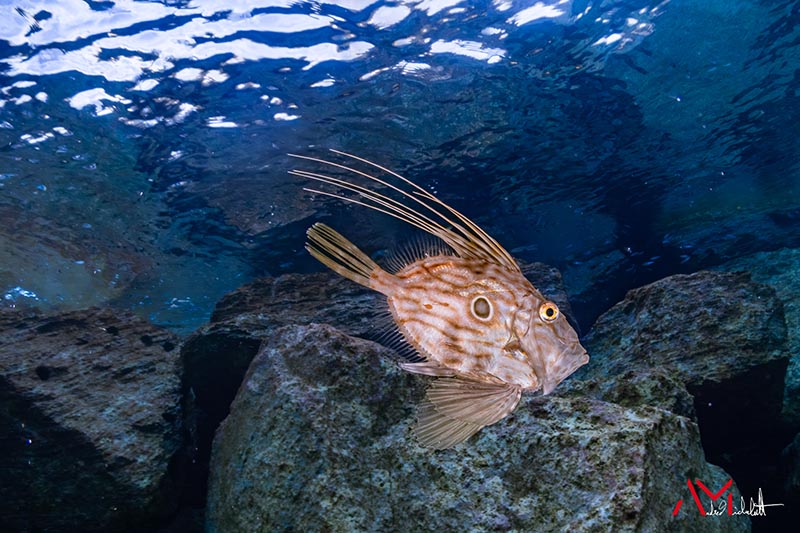
For more controlled macro work, the Apollo S pairs nicely with the Marelux SOFT Lite 2.0 snoot. It can be mounted on most popular strobes on the market (not just Marelux) using the appropriate adapter, and it’s powered by a single 21700 cell or one 18650 with the supplied adapter.
The built‑in white and red aiming light is rated at 500 lumens, making it easy to see exactly where the beam will fall, even in bright conditions. The light is shaped by an internal diaphragm, so the spot size adjusts smoothly without swapping physical masks.
On top of that, the SOFT system accepts dedicated color filters (usable on both the SOFT Lite 2.0 and Apollo Y mini snoot) for subtle tints or dramatic effects on backgrounds and highlights.
The Pro accessories expand the system even further:
- Flat diffusers (code 42107): soften and widen the beam, reducing harsh edges
- Focus lens (code 42106): tightens the spot for precise illumination of tiny details
- Extension lens (code 42105): reaches deeper subjects (e.g., inside sponges)
Recycle time is fast for this power class (around 0.9 s at full output) and in typical macro or close-focus wide-angle work, I’m rarely waiting for it.
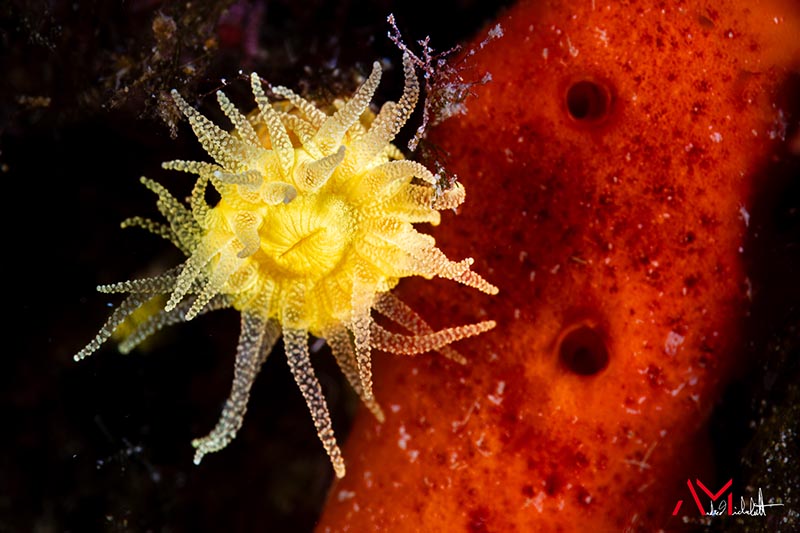
The control layout is simple and intuitive: a mode knob and a separate 12‑step power wheel. Steps 1 through 12 give accurate half‑stop increments, making it easy to fine‑tune exposure without looking away, helped by the subtle beep on each click.
As for handling, the knobs feel positive and mechanical, easy to operate even with gloves. Both strobes are remarkably light and nearly neutral underwater, a big plus for long sessions, and the Apollo S’s compact size makes arm positioning effortless, even with accessories like the SOFT Lite 2.0 snoot attached.
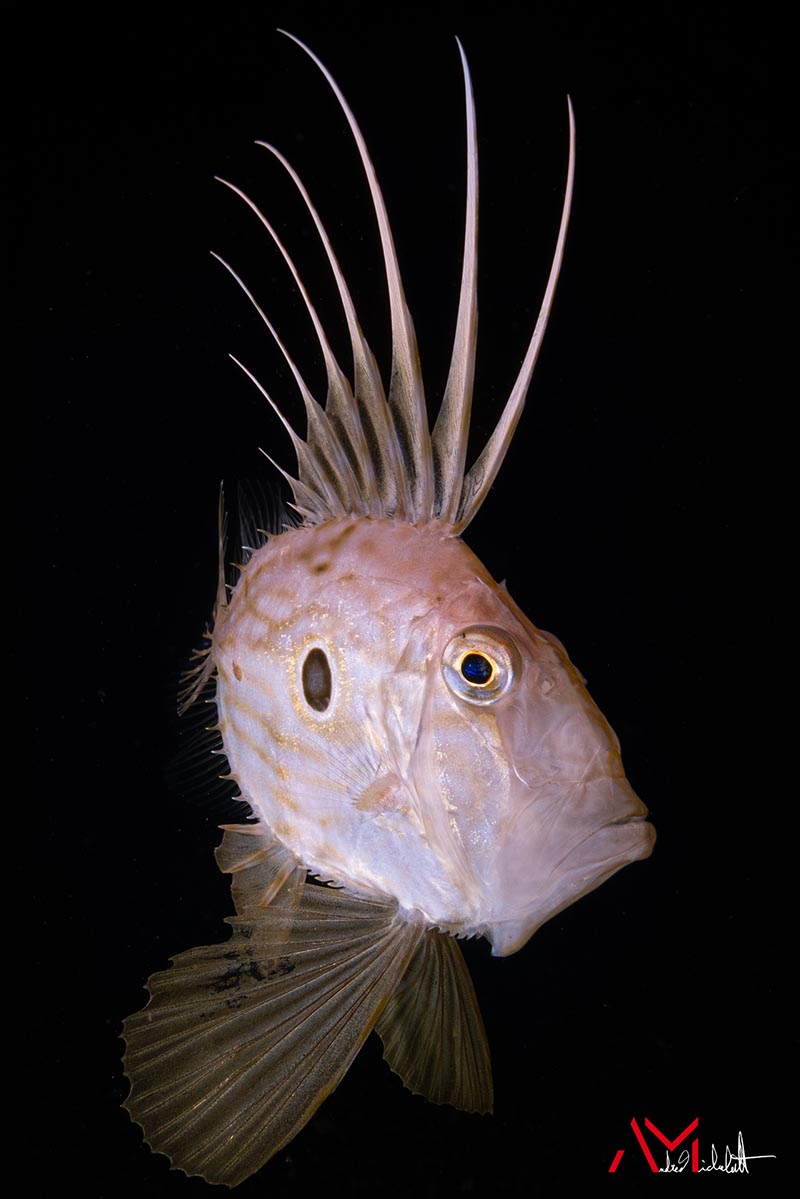
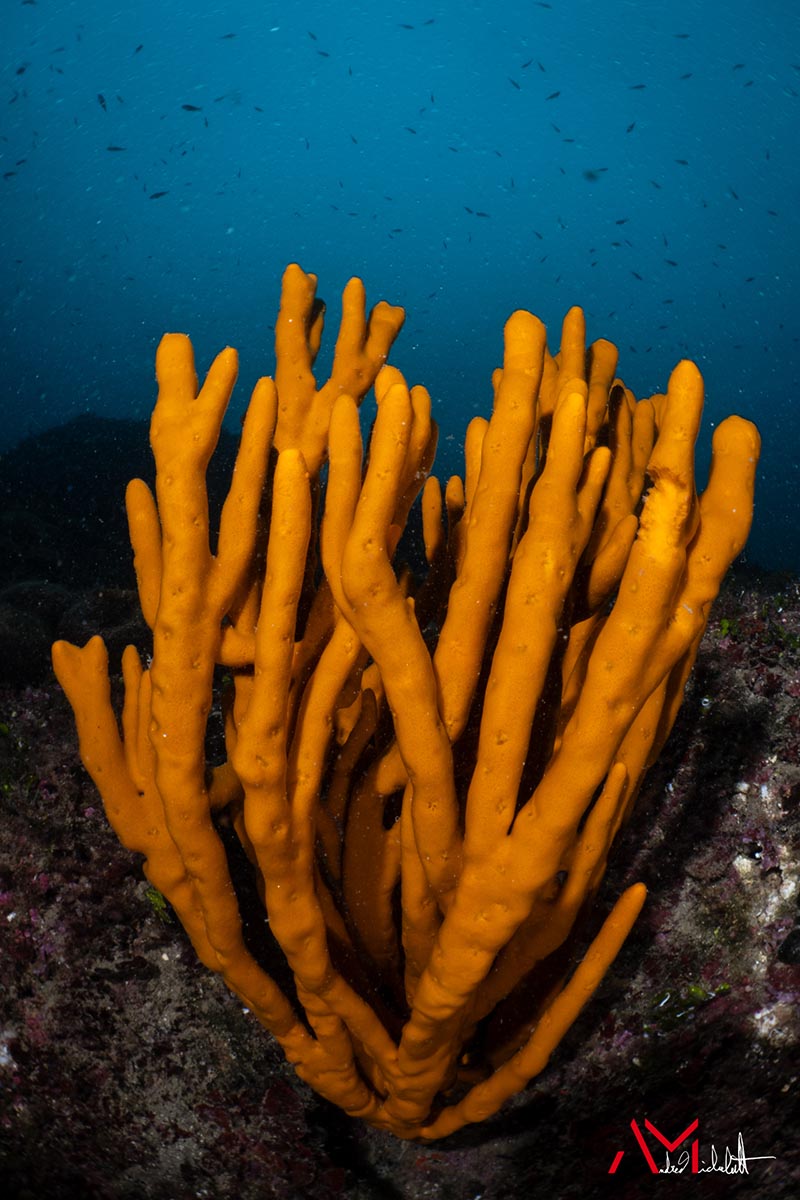
Apollo Y and the value of a strong video light
The smaller Apollo Y has a topside guide number of around 22 and a 120° beam underwater (140° with diffuser).
It is a solid choice for macro, close‑up, and moderate wide angle; paired with the Apollo S, it becomes a very effective snoot driver, while leaving the main strobes free for general lighting. I like this arrangement, as it lets me work, for example, with snooted backlight and front fill from the S at the same time.
In the field, I particularly value its lighting module: a very powerful 3000‑lumen white video light and a 1500‑lumen red target light, both usable even in shallow, sunlit water, making subject acquisition and snoot work much more efficient.
Battery life (2 x 21700 cells or 2 x 18650 with the supplied adapter) is long even with frequent use of the pilot light, and the interface is identical to the Apollo S, so switching between the two is intuitive.
Apollo Y with soft mini snoot
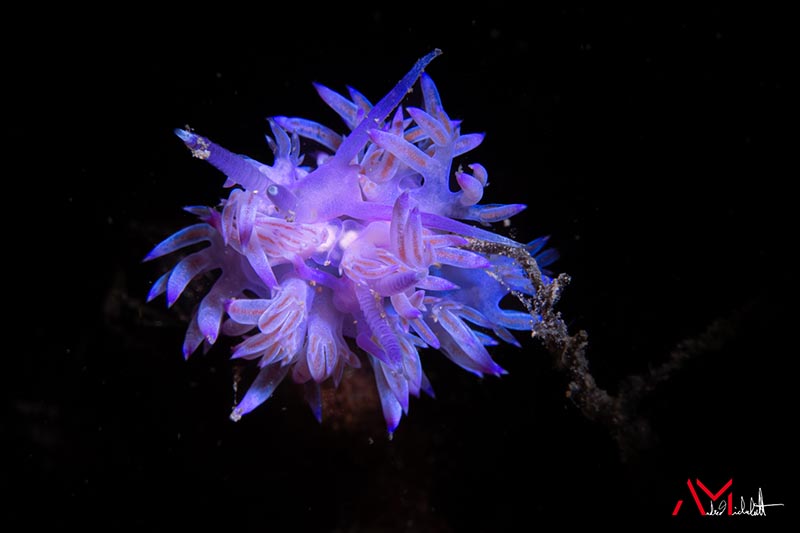
For snooted macro, I’ve been using the Apollo Y with its “SOFT mini” snoot (conceptually similar to the Marelux SOFT Lite 2.0). A bright, well‑aligned aiming light is critical here, and the Y makes a clear difference: the pilot beam shows exactly where the snooted light will land, allowing precise placement on small subjects and reliable black backgrounds without endless trial and error.
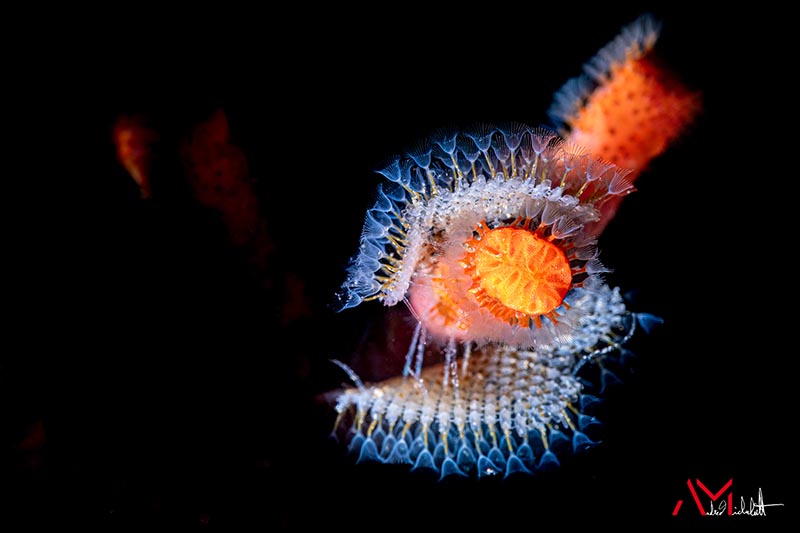
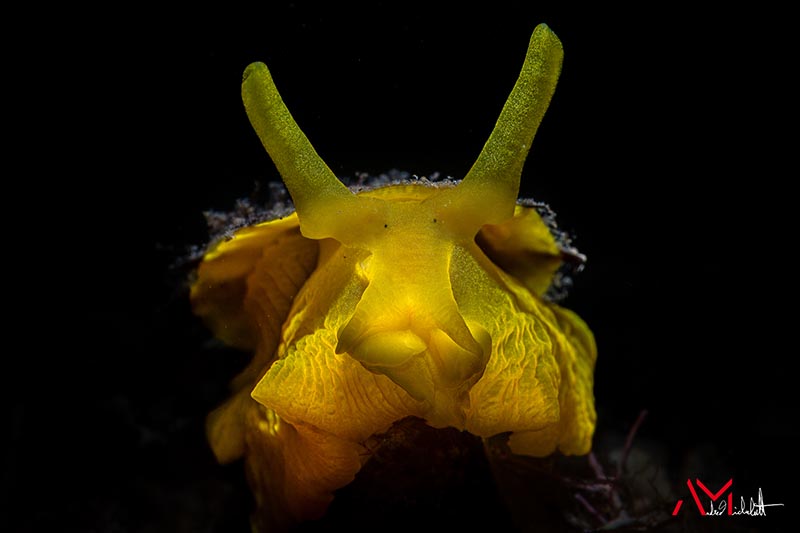
The adjustable snoot aperture defines the spot size and is very convenient to operate, so I can change the diameter quickly without swapping masks when subjects move or when I refine the composition. The combination of a full‑power strobe and a soft snoot provides both control and speed; in practice this translates into a higher keeper rate and less frustration, especially when repositioning is slow and every opportunity counts.
Despite the overall length of the Apollo Y with the snoot attached, the combo remains surprisingly light and maneuverable underwater thanks to its neutral buoyancy. This lets me work comfortably, holding the complete snooted unit in one hand while managing the camera with the other.
These strobes integrate naturally with Marelux’s innovative accessories, like the Lumilink 2.0 for cable-free TTL triggering, Mirage 20 multi-flash generator, Remote Shutter Module, or the above-mentioned SOFT color filters, opening up everything from clean wireless setups to colored-effect macro and complex multi-strobe configurations.
The integration between the S and Y models, combined with the compatibility with Marelux’s creative ecosystem, makes the Apollo system a scalable solution suitable for all users.